




Every year, Data Privacy Day reminds us of a fundamental truth: data is one of the most valuable assets in the digital economy and one of the most vulnerable.
In today’s hyper connected world, organizations are collecting, processing, and sharing data at an unprecedented scale. Cloud adoption, digital transformation, and now Agentic AI have dramatically expanded what data can do for businesses. But they have also expanded the risk surface.
The question is no longer whether data privacy matters.
The real question is: Are we designing our digital systems with privacy at the core or treating it as an afterthought?
Data Privacy in a Borderless Digital World
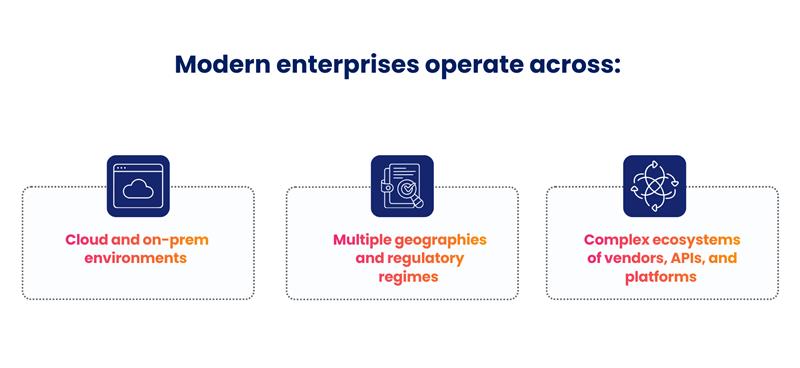
Data moves continuously between applications, clouds, users, and machines. In this reality, traditional perimeter-based security models fail to answer a critical question:
- Where is our sensitive data,
- who can access it, and how is it being used right now?
Without this visibility, privacy becomes impossible to enforce.
Why Agentic AI Raises the Stakes for Data Privacy
The rise of Agentic AI marks a fundamental shift.
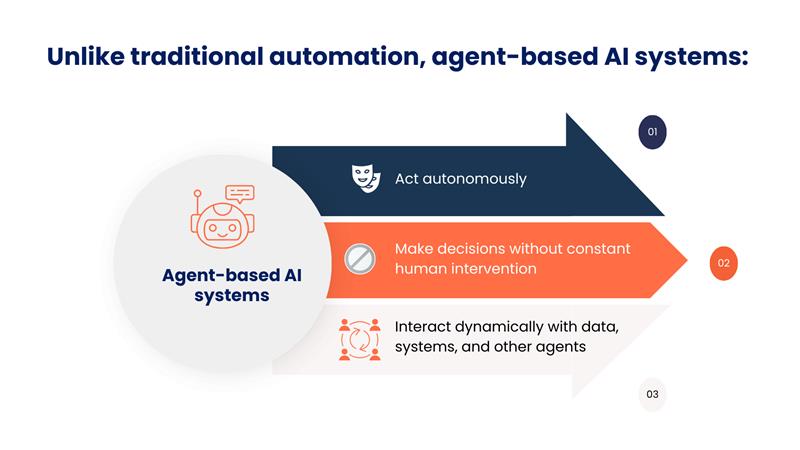
These AI agents don’t just analyze data; they act on it, often at machine speed.
This introduces new privacy challenges:
- AI agents may continuously access sensitive data
- Privileges can expand faster than humans can track
- Data usage may drift beyond original intent
- Privacy violations may occur silently and at scale
In an agentic AI world, data privacy failures are often visibility failures.
Why DbSPM and Data Classification Are No Longer Optional
You cannot protect what you do not know.
Database Security Posture Management (DbSPM) and data classification are foundational to modern privacy, not optional enhancements.
They answer the most critical privacy questions:
- What sensitive data do we have?
- Where does it reside across cloud, on-prem, and SaaS?
- Who and what (users, workloads, AI agents) can access it?
- Is that access appropriate, justified, and compliant?
Classification provides context identifying personal, financial, regulated, or proprietary data. DbSPM provides control by continuously assessing exposure, access paths, and risk.
In the Agentic AI era, DbSPM becomes even more critical because AI agents operate on data continuously, not occasionally.
Why CNAPP Is the Right Foundation for Data Privacy
Data privacy cannot exist in isolation from the infrastructure, workloads, and identities that access data.
This is where a CNAPP (Cloud-Native Application Protection Platform) becomes essential.
A modern CNAPP:
- Unifies CSPM, DbSPM, workload protection, identity context, and runtime security
- Eliminates data privacy blind spots across cloud, Kubernetes, containers, and on-prem environments
- Continuously monitors how data is accessed by users, applications, and AI agents
- Enforces zero-trust, data-security-first controls across the entire application lifecycle
Rather than treating privacy as a compliance exercise, CNAPP enables privacy by design, embedded into how applications and AI systems are built and operated.
From Compliance to Confidence
Regulations like GDPR, DPDPA, and sector-specific frameworks are necessary but they are not sufficient.
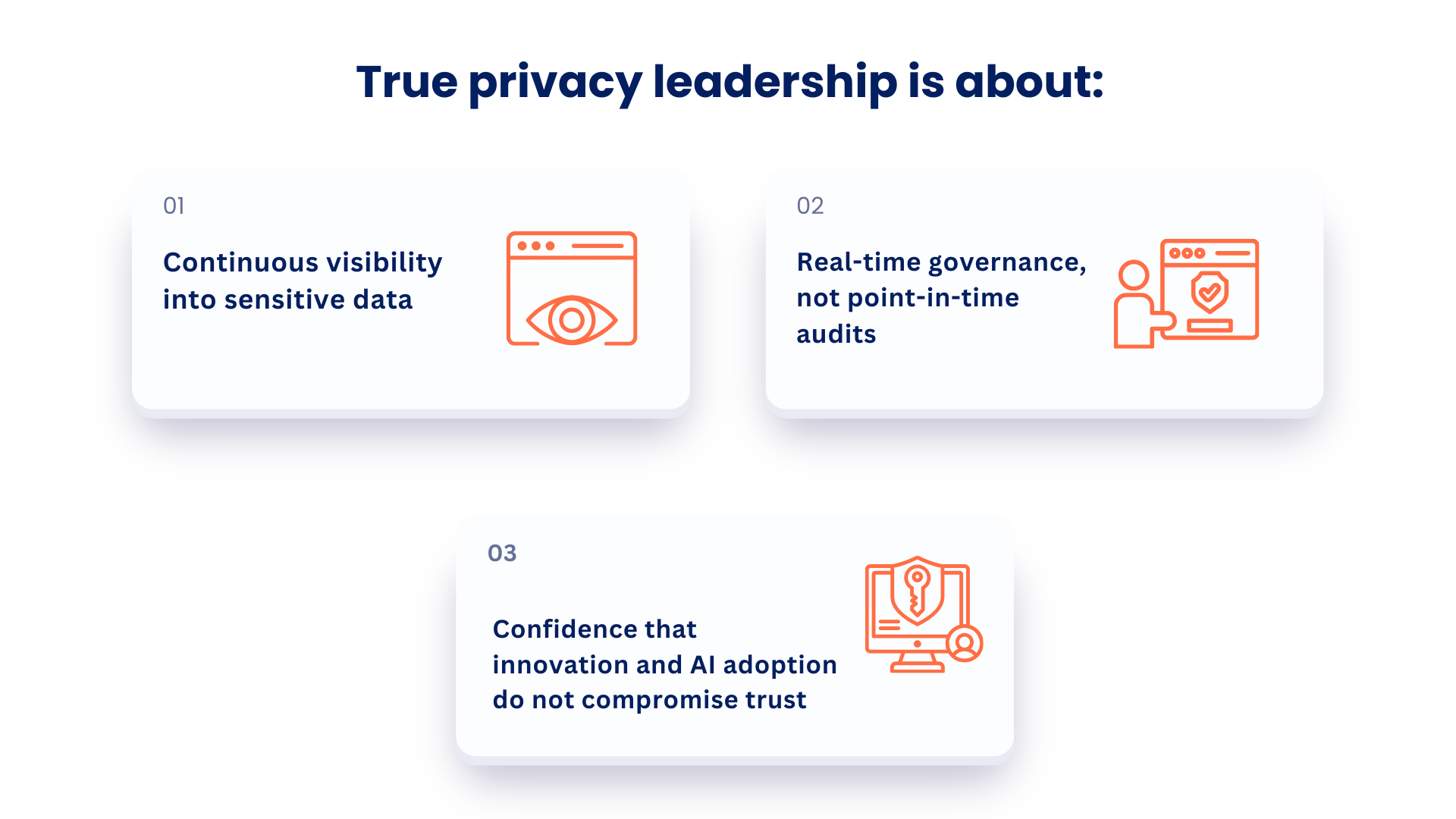
In a world driven by autonomous systems, trust becomes the ultimate currency.
The Way Forward
On this Data Privacy Day, leaders must ask:
- Do we know where our sensitive data lives across cloud and AI systems?
- Are AI agents accessing data within clearly defined boundaries?
- Do we have continuous assurance, not just annual compliance reports?
But one principle must remain constant:
In the Agentic AI era, privacy is not a barrier to innovation; it is what makes innovation trustworthy and sustainable. This required a unified CNAPP platform with DSPM, intelligent classification, and a unified CNAPP foundation working together continuously.
Closing Thought
Innovation will accelerate. AI agents will become more autonomous. Data volumes will continue to grow.
On this Data Privacy Day, let us commit to building systems where data is understood, access is governed, and privacy is protected by design, not by exception.
At Banyan Cloud, we believe the future of digital innovation depends on systems that understand and protect data by default. As software becomes autonomous and intelligence becomes distributed, privacy must evolve from a control mechanism into a guiding principle quietly shaping how technology earns trust, scales responsibly, and serves humanity in an AI-first world.


